Zwischen Dokumentation und Inszenierung: Fotografien aus Galizien und der Bukowina in der Fotosammlung des Volkskundemuseum Wien
Das erste inventarisierte Objekt der Fotosammlung des Volkskundemuseum Wien, pos/1, wurde 1894 in der Bukowina von Josef Szombathy (1853–1943) aufgenommen. Es zeigt den Austriaplatz in Czernowitz. Weitere Aufnahmen aus den damaligen österreichischen Kronländern, dem Königreich Galizien und Lodomerien und dem Herzogtum Bukowina, folgten ab 1896 in die Fotosammlung, die damals noch in die Bibliothek des Museums für österreichische Volkskunde integriert war.
Die Bezeichnung Galizien benennt eine historische Region, welche sich über das heutige südliche Polen und die westliche Ukraine erstreckte. Am östlichen Ende Galiziens befand sich die flächenmäßig kleinere historische Region Bukowina. Diese Region gehört heute zur Ukraine und zu Rumänien. Das ehemalige Staatsgebiet Polen-Litauen wurde durch drei Teilungen (1772, 1793 und 1795) nach kriegerischen Auseinandersetzungen unter Preußen, Russland und Österreich aufgeteilt. Galizien und Bukowina wurden die Territorien benannt, die der habsburgischen Herrschaft zugeteilt wurden.
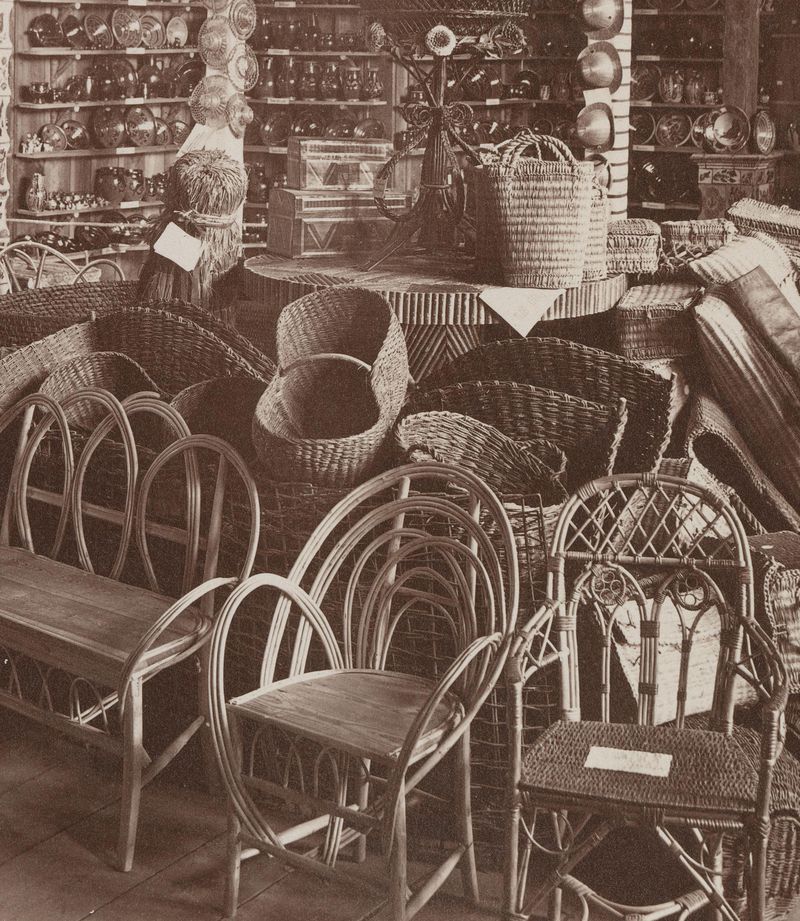
Der Sammelauftrag des ersten Museumsdirektors Michael Haberlandt (1860–1940) für das neue Österreichische Museum für Volkskunde trug maßgeblich zum Wachstum der Sammlung bei (siehe Haberlandt 1896 und Album Right from the start – Die ersten 1.000 Positive der Fotosammlung). Bis in die heutige Zeit wurden für Ausstellungen und Forschungen Fotografien zu und aus Galizien und der Bukowina gesammelt, dem Verein für Volkskunde geschenkt oder angekauft. Das starke Interesse der frühen Volkskunde an und in diesen Gebieten zeigt sich darin, dass sich nicht nur rund 1.500 fotografische Objekte aus Galizien und der Bukowina in der Fotosammlung befinden, sondern darüber hinaus auch Objekte in den anderen Sammlungsbeständen des Volkskundemuseum Wien wie etwa Zeichnungen, Ostereier, Keramiken, Holzobjekte, Textilien, Schmuck, Schriftstücke und Gemälde.
Motive
Die Aufnahmen zeigen, bis auf wenige Ausnahmen, Orts- und Stadtansichten, Landschaften, Industriebauten und Infrastruktur (wie z. B. Holzverarbeitungsstätten, Forstbetriebe, Brücken, Bahnhöfe), Handwerkerinnen und Handwerker und ihre Werkzeuge, Veranstaltungen und Ereignisse (z. B. Hochzeiten, Begräbnisse, kirchliche Feste, Umzüge), landwirtschaftliche Geräte und Arbeiten sowie eine Vielzahl an Porträts. Diese Auswahl der Motive entspricht dem Sammelaufruf von Michael Haberlandt, den er während seines Vortrags im Camera-Club der Amateurphotographen 1896 den Zuhörerinnen und Zuhörern weitergab. Er wünschte sich von den Fotografinnen und Fotografen: 1. Anthropologische Aufnahmen, 2. Aufnahmen zur Hauskunde, 3. Trachtenbilder, 4. Cultliche Gegenstände, 5. Volkstümliche Spiele und Lustbarkeiten, dramatische Darstellungen, Umzüge etc. und 6. Verschiedene Scenen und Situationen bei der ländlichen Arbeit (siehe Haberlandt 1896). Somit beeinflussten sich die Sammlungspolitik des Vereins für Volkskunde, die ethnologische Forschung um die Jahrhundertwende und die Fotografinnen und Fotografen gegenseitig.
Typisierende Porträtdarstellungen
Die zahlreichen Porträts von Personen unterschiedlichen Alters in Trachten und Bekleidung, die Orten aus Galizien oder der Bukowina zugeordnet sind, wurden in Studios und im Freien aufgenommen. Der Großteil zeigt stark inszenierte Porträts. Studioaufnahmen von Ignacy Krieger (1817–1889), die nachkoloriert wurden und immer wieder dieselben Requisiten und Studiohintergründe zeigen (z. B. pos/889, pos/918, pos/932), finden sich neben scheinbar spontan entstandenen Aufnahmen von Wladimir Szuchiewicz (1849–1915) (z. B. pos/772). Diese typisierenden Personendarstellungen machen einen beachtlichen Teil des frühen Bestands der Fotosammlung aus. Entweder wurden diese Porträts schon mit den regionalen Zuschreibungen produziert oder bei Aufnahme in die Fotosammlung einer entsprechenden Typisierung unterworfen und einem Territorium zugeordnet. Wenn dies bis dahin nicht geschehen ist, dann spätestens beim Publizieren in der vereinseigenen Zeitschrift Österreichische Zeitschrift für Volkskunde (ÖZV) oder in einer anderen ethnografischen Veröffentlichung. Damit hatten diese Fotografien einen nicht unerheblichen Anteil an der Konstruktion des „Eigenen“ und „Anderen“ und formten und beeinflussten deren spezifische Wahrnehmung. Durch Retusche und Freistellungen konnten ein und dieselbe Person oder auch andere Motive in unterschiedliche Zusammenhänge eingebunden werden – entsprechend den jeweiligen Intentionen der fotografierenden Person oder der Nutzung des Fotoobjekts. Als prominentes Beispiel für diese typisierenden Darstellungen von Personen können die Mappenwerke „Österreichisch-Ungarische National-Trachten“ von Josef Löwy und Franz Gaul, die 1881 im Verlag R. Lechner's k.k. Hof- und Univ.-Buchhandlung erschienen sind, erwähnt werden (pos/1325/000, pos/68389/000, pos/68390/000).
Besondere Objekte aus dem Bestand
Im Bestand zu Galizien und der Bukowina befinden sich rund 400 Ansichtskarten, 30 Glasdias und 70 Glasnegative sowie diverse Positivabzüge in unterschiedlichsten Größen. Besonders hervorzuheben ist die Sammlung „Typen der Landesfuhrwerke Österreich-Ungarns 1894“ der Fotografin Marianne Strobl (1865–1917) (pos/108/000). Dort finden sich unter 101 Positiven sechzehn Aufnahmen von Fuhrwerken aus Galizien und der Bukowina. Als Ausnahme des Bestandes gilt das von Dr. Wilhelm Franz Exner (1840–1931) erworbene Album mit „Porträts der Mitglieder des galizischen Landtages mit Aquarellen von Tadeusz Rybkowski 1891“ (pos/107/000). Die Personen auf den Aufnahmen können heute zum Großteil namentlich benannt werden. Das steht im Kontrast zu der großen Zahl an stereotypisierenden Porträts innerhalb des Bestandes. Aufgrund der Größe der Positivabzüge sticht auch die Mappe mit „zehn Positiven zur Galizischen Landesausstellung in Lemberg 1877“ (pos/105/000) hervor. Die Abzüge sind auf Karton aufkaschiert und zählen mit den Maßen 31,5 x 41 cm zu den Großformaten der Fotosammlung.
Fotografinnen und Fotografen
Eine Auswahl von Fotografinnen und Fotografen zu Galizien und der Bukowina im fotografischen Bestand:
Teodozy Bahrynowicz (1881–1915)
Juliusz Dutkiewicz (1834–1908)
Michael Haberlandt (1860–1940)
Raimund Friedrich Kaindl (1866–1930)
Ignacy Krieger (1817–1889)
Leon Starza Majewski (1856–1915)
Alfred Milan (1882–1951)
Karl Adam Romstorfer (1854–1916)
Eduard von Schiller (1850–1928)
Erna Schuh (1908–1977)
Wladimir Szuchiewicz (1849–1915)
Edward Trzemeski (1843–1905)
Weiterführende Literatur zum fotografischen Bestand aus Galizien und der Bukowina
Justnik, Herbert (Hg.): Gestellt. Fotografie als Werkzeug in der Habsburgermonarchie. Wien 2014.
Photoinstitut Bonartes und Volkskundemuseum Wien (Hgg.): Ölrausch und Huzulenkult. Photografische Streitobjekte aus Galizien und der Bukowina. Handout zur gleichnamigen Ausstellung im Volkskundemuseum Wien vom 18. November 2022 – 26. März 2023. Link (aufgerufen am 01.07.2025).
Röger, Maren: Karten in die Moderne. Eine visuelle Geschichte des multiethnischen Grenzlandes Bukowina 1895–1918. Dresden 2023 (= Visuelle Geschichtskultur 20).
Weck, Nadja: Staat, Raum und Infrastruktur: Wie die Eisenbahn nach Galizien kam. In: Administory. Zeitschrift für Verwaltungsgeschichte 2/1/2018, S. 230-248.
Katharina Zwerger-Peleska
Sammlungsmanagement Fotosammlung
Dezember 2024
Literatur: